






How Long Do Jeep Wranglers Last?
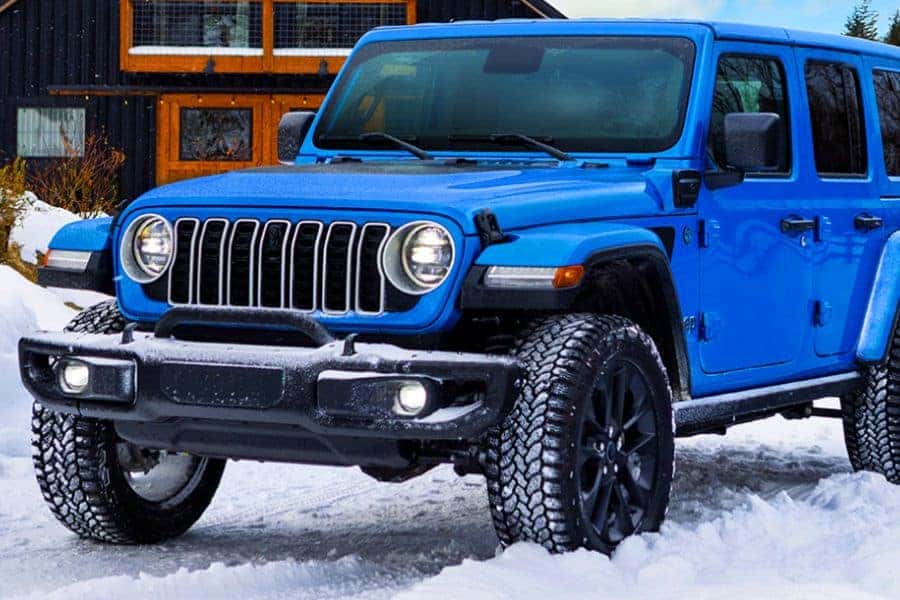
Whether you are navigating I-15 traffic, cruising near the Strip, or heading out toward approved 4×4 routes near Red Rock Canyon, the Jeep Wrangler is a familiar sight across Southern Nevada. It is one of the most recognizable SUVs on the road, known for open-air freedom, Trail Rated capability, and a design built for drivers who want more than a basic daily commuter.
But Las Vegas is not easy on vehicles. Extreme heat, dry air, intense sun exposure, desert dust, and stop-and-go traffic can all affect long-term reliability. So if you are thinking about buying a Wrangler or trying to keep your current one running for years, it is fair to ask: How long do Jeep Wranglers last?
Whether you are browsing new or used Jeep Wrangler inventory at Desert 215 Superstore in Las Vegas or planning maintenance for your current Wrangler, here is what Nevada drivers should know about Wrangler lifespan, reliability, and ownership in the desert.
How Many Miles Can a Jeep Wrangler Last?
With consistent maintenance and responsible driving, many Jeep Wranglers can reach 200,000 miles or more. Well-maintained examples may continue toward 250,000 miles or beyond, especially when major systems like the engine, transmission, cooling system, suspension, and drivetrain are properly cared for.
For a Las Vegas driver averaging about 15,000 miles per year, that could translate to well over a decade of use. However, mileage alone does not tell the whole story. A Wrangler that has mostly seen highway driving and routine service may be in better shape than a lower-mileage Wrangler that has been heavily modified, overheated, neglected, or frequently used off-road without proper follow-up maintenance.
One reason Wranglers can last is their rugged construction. The Wrangler uses a body-on-frame-style design and solid axles, which are built to handle demanding conditions. That toughness is a major part of the Wrangler’s appeal, but it does not make the vehicle maintenance-free. Long life depends heavily on how the Wrangler is driven, serviced, and inspected over time.
Does Las Vegas Heat Affect a Jeep Wrangler’s Lifespan?
Yes. The Las Vegas climate can put serious stress on any vehicle, including a Jeep Wrangler. Triple-digit summer temperatures, long stretches of sun exposure, and dusty desert conditions can accelerate wear faster than drivers may expect.
Here are some of the biggest local factors that can affect Wrangler longevity:
Battery Wear
Extreme heat can shorten battery life by accelerating internal corrosion and fluid evaporation. In Las Vegas, it is common for vehicle batteries to fail sooner than they might in cooler climates. If your Wrangler is slow to start, has dim lights, or is approaching the two-to-three-year mark on the battery, it is smart to have it tested before peak summer heat arrives.
Cooling System Stress
Stop-and-go traffic in high heat can push your Wrangler’s cooling system hard. The radiator, water pump, coolant hoses, thermostat, and coolant condition all play a role in preventing overheating. If the cooling system is neglected, desert driving can expose the problem quickly.
Dry Rot and UV Damage
Las Vegas sun and dry air can wear out rubber and plastic components faster. Windshield wipers, belts, hoses, weather seals, tires, soft tops, and exterior trim can dry out, crack, or become brittle over time. Regular inspections are especially important if your Wrangler is parked outside often.
Dust and Air Filter Clogging
Desert dust can clog engine air filters and cabin filters quickly, especially if you drive near construction zones, open desert roads, or approved off-road areas outside the city. A dirty air filter can reduce performance and make the engine work harder than necessary.
Which Jeep Wrangler Engine Is the Most Reliable?
A Wrangler’s long-term lifespan depends partly on the engine and powertrain. Jeep has offered several Wrangler engine options over the years, but some are more proven for long-term ownership than others.
3.6L Pentastar V6
The 3.6L Pentastar V6 is one of the most common and proven Wrangler engines. It has been used across the Chrysler, Dodge, Jeep, and Ram lineup for years, which means parts availability and technician familiarity are strong. Because it is naturally aspirated, it avoids some of the added complexity that can come with turbocharged or hybrid systems.
For many used Wrangler shoppers, the 3.6L V6 is a strong long-term choice when the vehicle has a clean service history and has received regular oil changes, coolant service, and routine inspections.
2.0L Turbo
The 2.0L turbocharged engine offers strong torque and good drivability, especially around town and on trails. However, turbocharged engines can be more sensitive to maintenance habits. Oil quality, cooling system health, and proper service intervals matter. If you are shopping for a used 2.0L Wrangler, review the maintenance history carefully.
Wrangler 4xe Plug-In Hybrid
Recent Wrangler 4xe models offer strong low-end torque and plug-in hybrid efficiency, but they also include additional hybrid components. If you are considering a used Wrangler 4xe, check the service history, hybrid-system condition, warranty coverage, and open recalls by VIN before buying.
How Do I Make My Jeep Wrangler Last Longer in Nevada?
If you want your Wrangler to handle daily Las Vegas driving and weekend trips near places like Red Rock Canyon, Logandale Trails, Bitter Springs, or other approved Southern Nevada routes, maintenance needs to be a priority.
Stay Ahead of Oil Changes
Routine oil changes are one of the simplest ways to extend the life of your Wrangler. If you drive in dusty conditions, tow, idle often, or take your Wrangler off-road, you may need to service it more often than a driver who mostly stays on clean highways.
Check Engine and Cabin Air Filters Often
Fine desert dust can build up quickly. Check your engine air filter at each oil change and replace it when it is dirty. A clean air filter helps your engine breathe properly and can support better performance and efficiency.
Keep the Cooling System Healthy
A healthy cooling system is essential in Las Vegas. Follow the recommended coolant service interval, inspect hoses for cracking or swelling, and address leaks or overheating concerns immediately. Fresh coolant helps protect against corrosion and supports proper heat transfer during extreme summer driving.
Inspect Tires, Belts, and Hoses
Heat and UV exposure can shorten the life of rubber components. Look for tire cracking, uneven wear, brittle belts, soft hoses, or visible leaks. This is especially important before long road trips, trail rides, or summer travel.
Wash the Undercarriage After Off-Road Driving
If you take your Wrangler through sand, mud, or dusty desert roads, clean the undercarriage afterward. Dirt and debris can collect around suspension components, joints, skid plates, and driveline parts. Removing buildup helps reduce unnecessary wear and makes it easier to spot developing issues.
Schedule Suspension and Steering Inspections
The Wrangler’s solid axles are built for strength, but rough roads, rocky routes, washboard surfaces, and oversized tires can put pressure on ball joints, tie rods, track bars, shocks, and bushings. If you notice wandering, vibration, uneven tire wear, or loose steering, schedule an inspection.
Is It Worth Buying a Used Jeep Wrangler with High Miles?
A used Jeep Wrangler with higher mileage can still be a smart purchase, but the condition matters more than the odometer alone. A 100,000-mile Wrangler with consistent service records, clean fluids, good tires, and no major frame or drivetrain concerns may be a better buy than a lower-mileage Wrangler that has been poorly maintained or heavily abused off-road.
Before buying a high-mileage Wrangler, look for:
- Documented oil changes and maintenance records
- A clean vehicle history report
- Signs of overheating or coolant leaks
- Rust, frame damage, or heavy undercarriage wear
- Suspension and steering issues
- Uneven tire wear
- Aftermarket modifications that may affect reliability
- Open recalls by VIN
If the Wrangler has a lift kit, oversized tires, winch, upgraded bumpers, or other off-road accessories, that is not automatically bad. However, it does make a professional inspection more important. Modifications should be installed correctly and matched with the right suspension, steering, and drivetrain setup.
Are Jeep Wranglers Expensive to Maintain?
Wranglers are generally straightforward to service, especially models equipped with the 3.6L Pentastar V6. Parts are widely available, and many technicians are familiar with Jeep maintenance. However, costs can rise if the vehicle has been heavily modified, used aggressively off-road, or neglected.
Common Wrangler maintenance items include:
- Oil and filter changes
- Tire rotations and alignments
- Brake service
- Battery replacement
- Air filter replacement
- Coolant service
- Differential fluid service
- Transfer case service
- Suspension and steering repairs
- Soft top or seal replacement
For Las Vegas drivers, cooling system maintenance, battery checks, tire inspections, and air filter replacement should be especially high priorities.
Where Can I Get Jeep Wrangler Service in Las Vegas?
To help your Wrangler last, it is important to work with a service center that understands both Jeep vehicles and the demands of the Southern Nevada climate.
Desert 215 Superstore is located at 8030 Rafael Rivera Way in Las Vegas, NV 89113 and offers Mopar service for Chrysler, Dodge, Jeep, and Ram vehicles. Whether you live in Las Vegas or are visiting from nearby areas like Summerlin, Henderson, Enterprise, Spring Valley, or Centennial, the service team can help with routine maintenance, inspections, repairs, and genuine Mopar parts.
From synthetic oil changes and air filter replacements to cooling system checks and suspension inspections, regular service can make a major difference in how long your Jeep Wrangler lasts.
Final Thoughts: How Long Will a Jeep Wrangler Last?
A Jeep Wrangler can be a long-lasting SUV when it is properly maintained. Many Wranglers can reach 200,000 miles or more, but that kind of lifespan depends on smart ownership. In Las Vegas, that means staying ahead of heat-related wear, protecting the cooling system, replacing filters regularly, inspecting tires and rubber components, and checking the suspension after rough-road or off-road use.
If you are shopping for your next Wrangler, browse the available Jeep Wrangler inventory at Desert 215 Superstore. If you already own one, schedule service to keep it ready for daily driving, desert weekends, and years of Southern Nevada adventures.
Frequently Asked Questions
How many miles is too many for a used Jeep Wrangler?
There is no single mileage cutoff. A Wrangler with 100,000 miles can still be a strong buy if it has documented maintenance, a clean history report, and no major frame, suspension, cooling-system, or drivetrain issues.
Are Jeep Wranglers reliable in Las Vegas heat?
Jeep Wranglers can be reliable in Las Vegas, but desert heat makes maintenance more important. Battery testing, coolant service, tire inspections, air filter replacement, and rubber-component checks should be part of regular ownership.
Is the Jeep Wrangler good for desert driving?
Yes, the Jeep Wrangler is well-suited for desert driving when it is properly equipped and maintained. Drivers should stay on approved roads and trails, carry appropriate gear, and inspect the vehicle after dusty, sandy, or rocky trips.
Which Jeep Wrangler engine lasts the longest?
The 3.6L Pentastar V6 is often considered one of the strongest long-term choices because it is naturally aspirated, widely used, and familiar to many technicians. Turbocharged and hybrid Wrangler models can also last, but they require careful maintenance and service history review.
Should I buy a high-mileage Jeep Wrangler?
A high-mileage Wrangler can be worth buying if it has been well cared for. Focus on maintenance records, condition, service history, open recalls, and signs of off-road abuse rather than mileage alone.
0 comment(s) so far on How Long Do Jeep Wranglers Last?